

PCOS in Young Women: Symptoms, Causes and Lifestyle Management
Polycystic Ovary Syndrome, commonly known as PCOS, is a hormonal and metabolic condition that affects many women during their reproductive years. For young women, symptoms may first appear as irregular menstrual cycles, persistent acne, unwanted facial or body hair, weight changes, or thinning of scalp hair. These changes are sometimes ignored as part of growing up or everyday stress, but persistent symptoms deserve attention. Early awareness can help women seek appropriate care and protect their reproductive and long-term health.
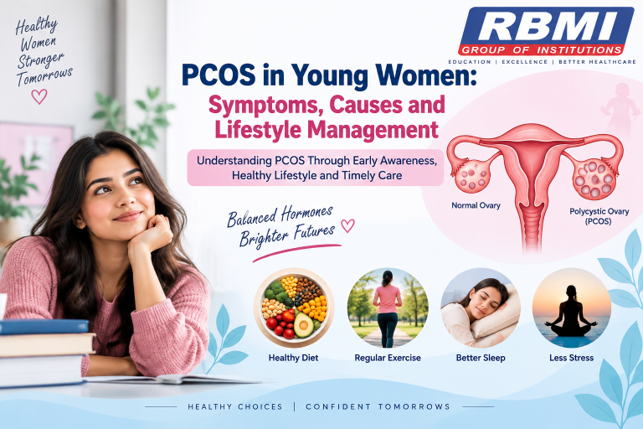
PCOS develops when normal hormonal regulation and ovulation are disturbed. Some women with PCOS have higher levels of androgens, often called male hormones, and many also experience insulin resistance. Genetics may contribute, particularly when close family members have similar problems. However, PCOS is not caused simply by poor lifestyle choices, and not every woman with PCOS has ovarian cysts. The condition can look different from one person to another, which is why professional assessment is important.
The impact of PCOS extends beyond periods. Irregular ovulation may make conception difficult for some women, while insulin resistance can increase the risk of metabolic problems over time. Visible symptoms such as acne, excess hair growth and weight changes may also affect confidence, body image and emotional well-being. Young women should therefore feel comfortable discussing menstrual and hormonal concerns without embarrassment or stigma.
Lifestyle management is an important part of PCOS care. A balanced eating pattern that includes vegetables, fruits, whole grains, pulses, adequate protein and other nutrient-rich foods can support overall metabolic health. Sugary drinks and highly processed foods should be limited. Regular physical activity such as brisk walking, cycling, swimming, yoga or strength exercises can improve fitness and insulin sensitivity. For women who are above a healthy weight, gradual and sustainable weight management may improve menstrual regularity and other symptoms.
Sleep and stress management are equally important. A regular sleep routine, relaxation exercises, meditation, hobbies and supportive social connections can contribute to emotional and physical well-being. Medical treatment may also be needed depending on symptoms, menstrual pattern, fertility goals and metabolic health. Treatment should be individualized by a qualified healthcare professional rather than based on self-medication or social-media advice.
Nurses have an important role in improving PCOS awareness. Through health education, counselling, menstrual-history assessment, lifestyle guidance and timely referral, nurses can help young women recognize warning signs and access appropriate services. At Rakshpal Bahadur College of Nursing, Obstetrical and Gynaecological Nursing education includes maternal and women's health learning, practical training and clinical exposure, helping future nurses develop the knowledge and communication skills required for respectful, evidence-informed care.
PCOS is manageable, and early attention can make a meaningful difference. Young women who experience persistent menstrual irregularity or other concerning symptoms should seek professional evaluation. With informed choices, appropriate medical guidance and consistent lifestyle habits, women with PCOS can take an active role in protecting their reproductive health and overall well-being.