

GNM/ANM vs B.Sc. Nursing
Nursing is among the most respected professions in healthcare, offering opportunities to serve patients, families, and communities. After Class 12, students considering a nursing career often compare three programmes: ANM, GNM, and B.Sc. Nursing. Each offers a different educational pathway, so understanding their focus and career prospects is essential.
ANM: Auxiliary Nurse Midwifery
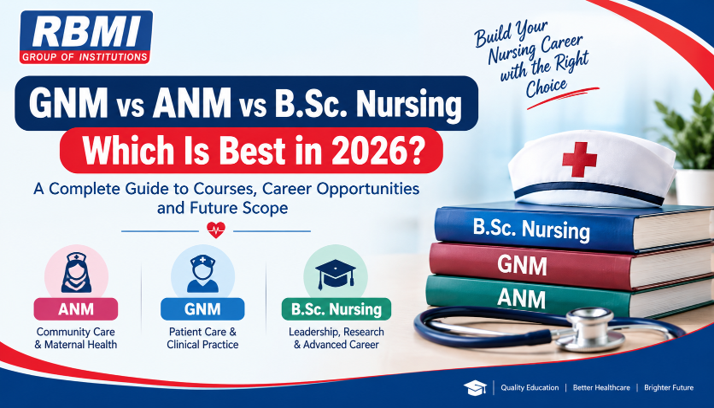
ANM is a diploma programme centred on maternal and child healthcare, immunization, family welfare, and community health. It prepares students to assist with antenatal and postnatal services, promote health awareness, and support preventive care. ANM may suit students who want to work in primary healthcare, particularly in rural and underserved areas. Eligibility and duration should be checked against current regulatory guidelines.
GNM: General Nursing and Midwifery
GNM is a diploma programme generally completed in three years, subject to applicable regulations. It combines classroom learning with clinical training in patient care, medical-surgical nursing, midwifery, and community health. Students develop practical nursing skills for hospital and healthcare settings. Eligible GNM graduates may also pursue further education, including Post Basic B.Sc. Nursing, to expand their qualifications and professional opportunities.
B.Sc. Nursing: Bachelor of Science in Nursing
B.Sc. Nursing is a four-year undergraduate degree offering a comprehensive foundation in nursing theory, clinical practice, research, and professional ethics. Students learn patient assessment, clinical decision-making, communication, leadership, and evidence-based care. Graduates can explore employment in hospitals, specialized healthcare departments, and community services, while also pursuing advanced education and specialization. For students seeking long-term academic and professional growth, B.Sc. Nursing is often an attractive choice.
Contribution of Rakshpal Bahadur College of Nursing
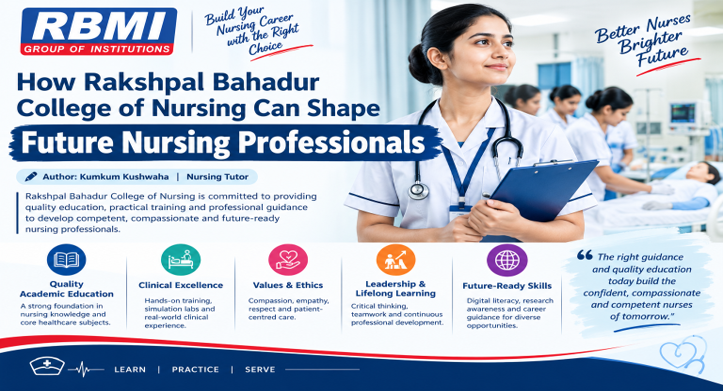
Rakshpal Bahadur College of Nursing aims to prepare knowledgeable, skilled, and compassionate nursing professionals. Its educational approach emphasizes connecting classroom concepts with practical learning, while nurturing clinical responsibility, discipline, teamwork, and patient-centred care.
Through teaching, demonstrations, academic guidance, and clinical learning opportunities, the college seeks to help students build confidence and understand professional standards. Students considering admission should confirm the latest information regarding approved programmes, recognition, facilities, and clinical affiliations directly with the institution and relevant authorities.
Which Nursing Course Is Best?
ANM is suitable for students interested in maternal care and community health. GNM offers diploma-level education with substantial practical training. B.Sc. Nursing provides a broader degree-level foundation and can offer greater flexibility for higher studies and future specialization. The right choice depends on eligibility, finances, personal interests, and career goals. Students should also consider the type of patients they hope to serve, workplace expectations, and opportunities for ongoing continuing professional development.
Conclusion
In 2026, B.Sc. Nursing is generally a strong choice for eligible students who can commit to four years of education. However, ANM and GNM remain valuable pathways for different professional objectives. Before applying, verify course recognition, admission criteria, duration, and registration requirements. Whatever the programme, successful nursing professionals share essential qualities: compassion, sound clinical skills, ethical conduct, and a commitment to lifelong learning.