

AI: जब Technology हमारी सोच, फैसले और भावनाएं बदलने लगे..
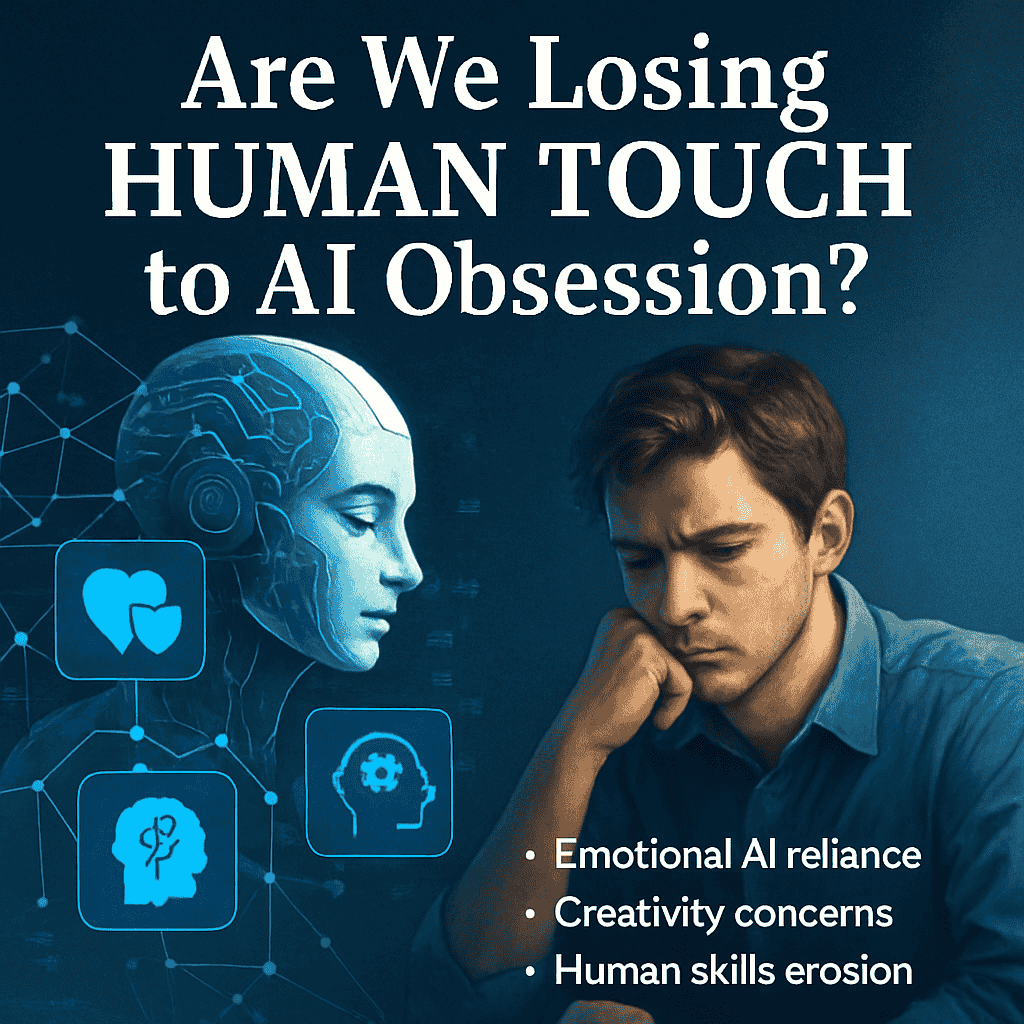
AI has moved far beyond the world of science fiction. From smartphones and classrooms to hospitals, banks, workplaces and social-media platforms, AI is becoming an integral part of everyday life. But as machines become more intelligent, a deeper question is emerging: Are we allowing technology to influence not only what we do, but also what we think and feel?
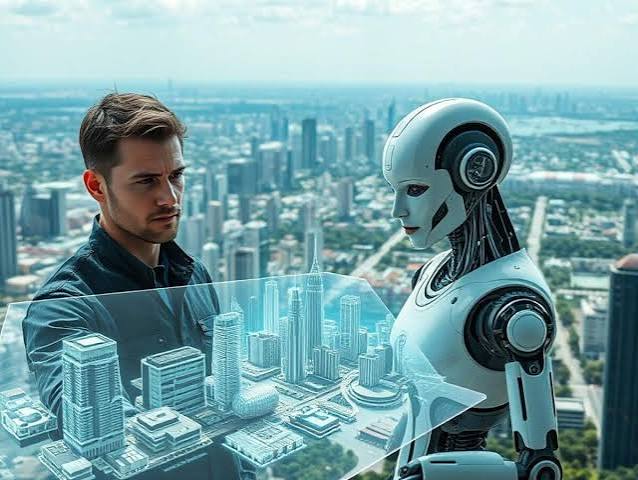
For years, AI was primarily seen as an assistant—helping people find information, analyse data and complete routine tasks. Today, increasingly intelligent systems can understand language, recognise patterns and support complex decision-making. The convenience is undeniable, but so is the concern: how much control should humans surrender to machines?
Imagine an AI system managing traffic, healthcare, security or public resources. It could analyse millions of data points and recommend decisions within seconds. But should an algorithm decide who gets a job, a loan or access to a service? And if an AI-driven decision causes harm, who takes responsibility?
The Real Concern: Losing Human Judgment
The biggest danger may not be robots suddenly turning against humanity. It could be something much quieter—humans gradually becoming dependent on algorithms.
Technology already influences what people see online. Algorithms decide which videos, advertisements and stories appear on our screens. As AI becomes more sophisticated, it may move from predicting our preferences to subtly influencing them.
If machines can understand what we think—and influence what we think—where does individual freedom end?
When AI Enters Our Emotional Lives
Perhaps the most significant change could occur in human relationships. AI systems are becoming increasingly conversational and personalised. They can respond instantly, provide advice and create the feeling of being heard.
For someone experiencing loneliness, an AI companion may seem easier to approach than another person. But if humans increasingly depend on machines for comfort, reassurance and emotional validation, what happens to human relationships?
The issue is not whether AI truly possesses emotions.
Human Intelligence Still Matters
AI can process enormous amounts of information, but knowledge is not the same as wisdom.
A machine can analyse medical records, but a doctor understands a patient's fear. AI can generate a lesson plan, but a teacher can recognise when a student has lost confidence. Machines can calculate efficient solutions, but humans must decide whether those solutions are ethical.
Human intelligence includes empathy, compassion, imagination, morality and context—qualities that cannot simply be reduced to algorithms.
The Future: Human + AI
AI can transform healthcare, education, research and industry. The answer is not to reject technology, but to use it responsibly.
AI should enhance human intelligence, not replace human judgment.
The real challenge of the AI age will therefore not be whether machines become more intelligent than us, but whether humans remain wise enough to control what they create.
Because technology may change how we live.
But it is our responsibility to ensure that it never changes what makes us human.
— Dr. Harsh Vardhan