


Internet of Things (IoT) and Smart Systems: Transforming Cities, Homes, Healthcare, and Energy Management
The world is becoming more connected than ever before — not just people, but devices, machines, buildings, and entire infrastructures. This technological evolution is powered by the Internet of Things IoT — a network of interconnected physical devices that collect, analyze, and exchange data without requiring human intervention.
From smart homes that adjust lighting automatically, to wearable devices that monitor heart rate, and cities that manage traffic using sensors — IoT is reshaping how we live, learn, and work. With the rise of automation and connected ecosystems, IoT is now one of the most in demand fields in engineering and technology.
This blog explores how IoT is used in smart cities, home automation, healthcare monitoring, and smart energy systems, along with real world examples, innovations, and future opportunities.
What Is IoT and Why Is It Important
The Internet of Things refers to a system where devices communicate using the internet, sensors, and embedded technology. These devices collect data, process it, and perform actions automatically.
Examples of IoT Devices Include
- Smartwatches and fitness trackers
- Smart home assistants Alexa and Google Home
- Self driving cars
- Security cameras with motion detection
- Smart electric meters
- Hospital patient monitoring systems
IoT helps improve efficiency, reduces human error, saves energy, and increases convenience — making it essential in modern engineering and infrastructure.
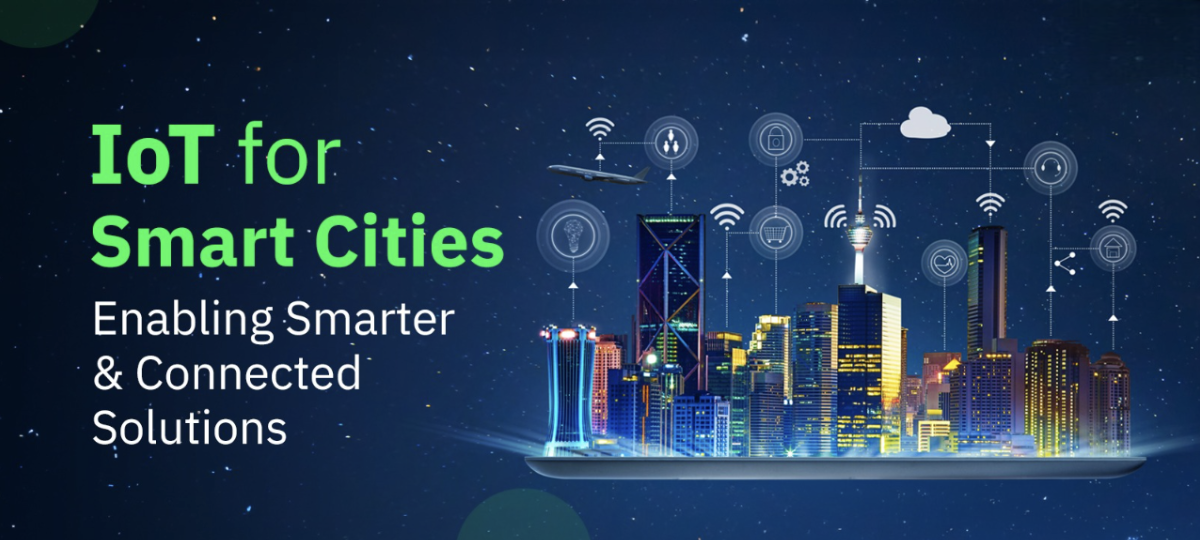
IoT in Smart Cities
Smart cities use IoT technology to create safer, more efficient, and sustainable urban environments. IoT sensors help city planners monitor transportation, waste, environment, utilities, and public safety.
Key Smart City Applications
Smart Traffic Management
Sensors, cameras, and AI software analyze traffic patterns and manage signals in real time to reduce congestion.
Smart Waste Management
IoT based bins detect the waste level and alert collection teams, reducing unnecessary fuel and manpower use.
Air Quality Monitoring
Sensors measure pollution levels and notify authorities or citizens, especially during hazardous conditions.
Smart Parking Systems
Apps guide drivers to nearest vacant parking spots using sensors — saving time and fuel.
Real Life Examples
- Barcelona uses IoT smart lighting and waste bins
- Singapore uses smart traffic control systems for smooth mobility
- Dubai has a fully developed smart city framework integrating IoT with AI
Smart cities not only improve comfort but also support sustainability and resource efficiency.
IoT in Home Automation
Home automation is one of the most visible and fast growing IoT areas. Smart homes integrate connected devices that make daily life convenient, secure, and energy efficient.
Popular IoT Home Automation Projects
- Voice controlled lights and appliances
- Smart door locks and surveillance cameras
- Automated HVAC heating ventilation and air conditioning systems
- Leak detection and automatic water shutoff systems
- Smart sprinkler systems that adjust based on weather conditions
With voice assistants like Alexa Siri and Google Assistant, users can control appliances with simple commands.
Benefits of Smart Homes
- Improved comfort and convenience
- Enhanced security
- Lower energy consumption
- Remote monitoring and control
IoT in Healthcare and Medical Systems
The healthcare sector has embraced IoT to improve patient care, diagnosis, and emergency response. This integration is known as the Internet of Medical Things IoMT.
Common IoT Healthcare Applications
- Wearable devices for heart rate glucose level or sleep tracking
- Remote patient monitoring for chronic diseases
- Smart ambulances connected to hospitals
- Medication dispensers with reminders
- Emergency alert systems for elderly usage
During COVID 19, IoT enabled devices helped track symptoms, oxygen saturation, and remote patient care — reducing physical interactions and improving medical response.
IoT in Smart Energy Management
Energy consumption in cities and households is rising rapidly. IoT is key to monitoring and optimizing energy usage.
Examples of IoT Systems in Energy
- Smart meters for real time electricity tracking
- Smart grids for automatic load balancing
- Solar IoT systems to monitor energy production
- Energy efficient lighting that adjusts based on movement
These solutions reduce energy waste, support sustainability, and lower electricity costs.
Career Opportunities in IoT
- IoT Engineer
- Embedded Systems Developer
- IoT Security Analyst
- Cloud and Network Infrastructure Engineer
- Data Analyst for IoT Systems
- Robotics and Automation Engineer
Students with skills in Python embedded systems electronics networking cloud platforms and AI have strong career opportunities.
Conclusion
The Internet of Things is transforming the world in extraordinary ways — from smart cities and automated homes to healthcare innovation and sustainable energy systems. As technology advances, IoT will continue to expand, creating a connected environment that improves safety, efficiency, and quality of life.
For students and professionals, understanding IoT is a major advantage — and those who upskill early will become leaders in the future digital world.
Frequently Asked Questions
Do all engineering students need to learn IoT
Yes, basic understanding of IoT is important across industries due to automation and smart infrastructure adoption.
Is IoT difficult for beginners
No. Beginners can start with simple Arduino or smart home projects and gradually move to advanced systems.
Which industries use IoT the most
Healthcare manufacturing smart cities agriculture transportation home automation and energy sectors.
What is the difference between IoT and AI
IoT collects data from devices, while AI analyzes that data to make intelligent decisions.
Will IoT jobs grow in the future
Yes. IoT is one of the fastest growing technology fields with strong global demand.