

RBMI: How This Uttar Pradesh B-School Is Rethinking Management Education for 2026 and Beyond
B-Schools across India are facing a reckoning. Employers have gotten tired of hiring graduates who look great on paper but can't handle real projects on day one. The old formula of lectures, textbooks, and final exams is running out of shelf life — especially when companies now expect fresh hires to show up with working knowledge of data analytics, CRM platforms, and digital business tools.
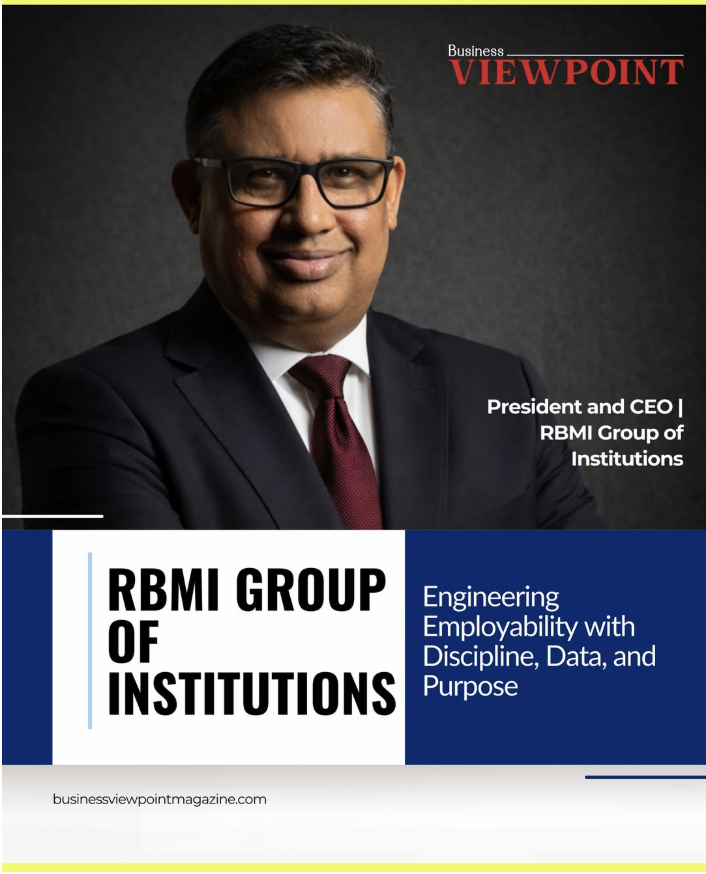
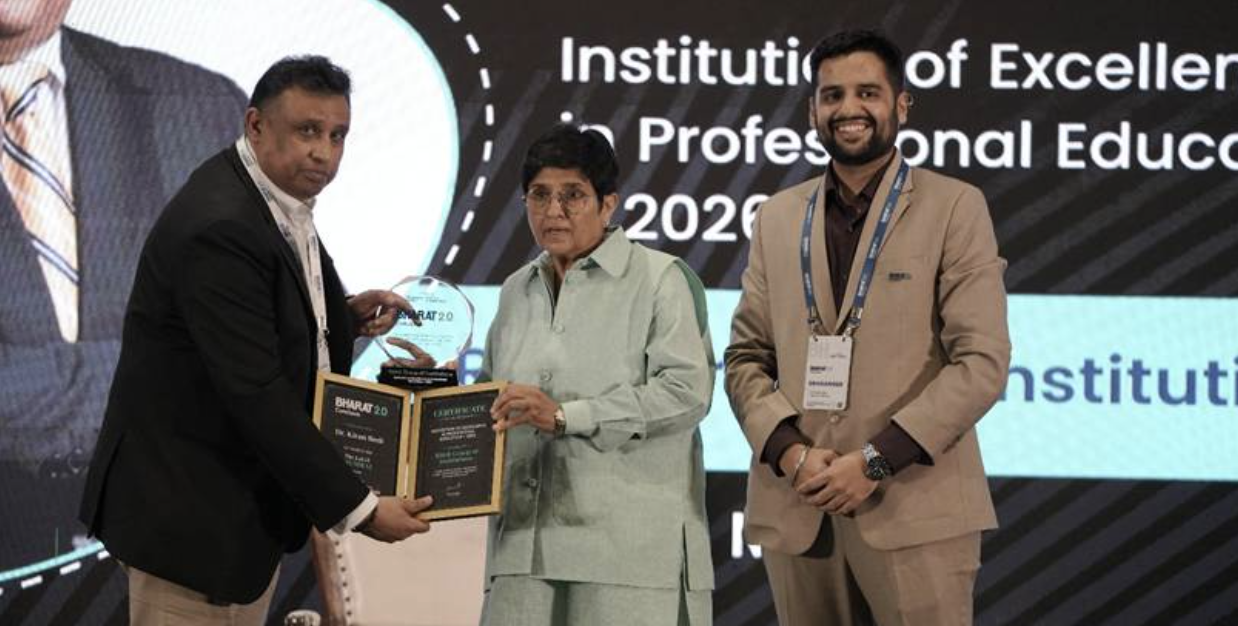
RBMI, a management institute based in Uttar Pradesh, seems to have understood this earlier than most. The institution was recently featured among the Top 10 Promising B-Schools from Uttar Pradesh – 2026 by Higher Education Review magazine. And the recognition appears to be less about branding and more about what they've built under the hood.
So what exactly is RBMI doing differently? Here's a closer look.
The "Degree + Skills" Philosophy: More Than a Tagline
Most B-Schools in India talk about "holistic education." RBMI has tried to operationalize it through what it calls the "Degree + Skills" principle. The idea is simple enough: a management degree alone doesn't prepare you for the job market anymore, so academic learning needs to be paired with certifiable, industry-relevant skills from the very first year.
In practical terms, this means RBMI students work with LinkedIn Learning modules, NASSCOM-aligned certification tracks, and hands-on tools like data analytics platforms, AI applications, CRM systems, and digital business applications — all built into the regular curriculum. This isn't an optional add-on or a final-semester sprint. Career readiness starts early and stays consistent.
The institution also uses data from industry surveys, HR consultations, and platforms like LinkedIn to track hiring trends, in-demand skill sets, and talent movement across sectors. That data feeds directly into curriculum updates, which keeps what's being taught aligned with what employers actually need.
It's a departure from the approach many Indian management colleges still follow, where placement preparation kicks in during the last few months and students scramble to learn things they probably should have been practicing all along.
A Technology-First Learning Environment
Walk into most B-Schools in tier-2 Indian cities, and you'll find a projector, a whiteboard, and maybe an LMS that nobody logs into. RBMI has taken a different route.
The institute has invested in AI-driven teaching tools, modern audio-visual classrooms, and a centralized Learning Management System (LMS) that handles everything from course materials and attendance to performance tracking and student engagement — all in one place. Faculty members go through structured Faculty Development Programs (FDPs) to stay current with both technology and evolving teaching methods.
Beyond the classrooms, RBMI's infrastructure includes smart classrooms, hybrid lab-classroom environments that let students toggle between theoretical and practical learning, and real-time performance dashboards that bring transparency to academic progress. LMS platforms track student performance in real time, which helps both students and faculty identify gaps early rather than discovering them at exam time.
For a generation of students who grew up on smartphones and expect digital fluency from their institutions — not just their future employers — this kind of setup matters more than glossy campus brochures.
Bridging the Gap Between Campus and Corporate
One of RBMI's stronger plays is how early and how frequently it connects students with the working world. This isn't limited to an annual placement drive or the occasional guest lecture.
Students are exposed to industry realities through roadshows, sector-specific discussions, interactive engagements, seminars, podcasts, HR conclaves, and regular corporate interactions. These aren't treated as extracurricular events — they're woven into the academic calendar as ongoing touchpoints.
The institute also maintains active partnerships with organizations such as CII, FICCI, and NASSCOM, which help keep the curriculum relevant and forward-looking. Industry professionals contribute to course design and delivery, adding a practical layer to subjects that might otherwise remain theoretical.
On the student side, practical exposure comes through internships, live projects, and on-the-job training assignments. Students are encouraged to build professional portfolios throughout their program — not just a resume at the end of it.
Collaborative Learning Over Passive Absorption
RBMI's teaching model leans heavily on collaborative learning. Instead of the traditional lecture-and-notes approach, students are trained to engage through discussions, case-based analysis, and peer interaction. The goal is to move students from passive recipients of information to active participants who question, analyze, and interpret knowledge on their own.
This approach does two things. First, it builds the kind of critical thinking and problem-solving abilities that employers consistently rank among their top hiring criteria. Second, it creates a classroom culture where students learn from each other — not just from the professor at the front of the room.
Faculty Development as a Non-Negotiable Priority
A curriculum is only as good as the people delivering it. RBMI treats faculty quality as a non-negotiable part of its model.
The institute runs regular Faculty Development Programs, weekly training sessions, and provides access to advanced learning platforms so instructors can stay up to date with industry trends, new teaching methodologies, and evolving technology. Faculty members are expected to grow alongside the curriculum, not lag behind it.
Industry professionals are also brought into the fold — contributing to curriculum design, co-teaching select modules, and helping bridge the gap between academic theory and workplace practice.
Curriculum That Tracks the Market in Real Time
RBMI's academic model is built around continuous calibration. The curriculum is regularly updated to reflect current industry requirements, so theoretical knowledge stays relevant rather than becoming outdated by the time students graduate.
The institute's active participation in industry bodies and its data-driven approach to tracking hiring trends mean that RBMI can adjust what it teaches based on where the job market is actually heading, rather than relying on a syllabus designed three years ago.
Looking Ahead: Expansion and Ecosystem
RBMI isn't standing still. The institution is focused on expanding its reach and refining its offerings:
- Centers of Excellence (CoEs): Developed in collaboration with industry partners to tackle sector-specific skill gaps through specialized programs.
- Global Partnerships: Pursuing strategic collaborations to open up international exposure and benchmarking opportunities.
- Merit-Based Scholarships: Funding tied directly to academic performance and discipline, lowering financial barriers for students in Uttar Pradesh.
- Multidisciplinary Ecosystem: Growing from a standalone college to a vast group offering programs across engineering, pharmacy, IT, nursing, and education.
Final Thoughts: Why RBMI Deserves a Closer Look
RBMI isn't trying to compete with the IIMs on brand name alone. It's building something different — a management education model that's rooted in employability, powered by technology, and constantly adjusted to match where the industry is heading.
For anyone evaluating MBA colleges in Uttar Pradesh for 2026 admissions, RBMI's combination of the "Degree + Skills" philosophy, AI-integrated learning infrastructure, strong industry partnerships, and outcome-driven teaching makes it one of the more compelling options worth researching.
"Sometimes the best education isn't about the biggest name. It's about the institution that takes the gap between what you learn and what you need seriously enough to do something about it."