


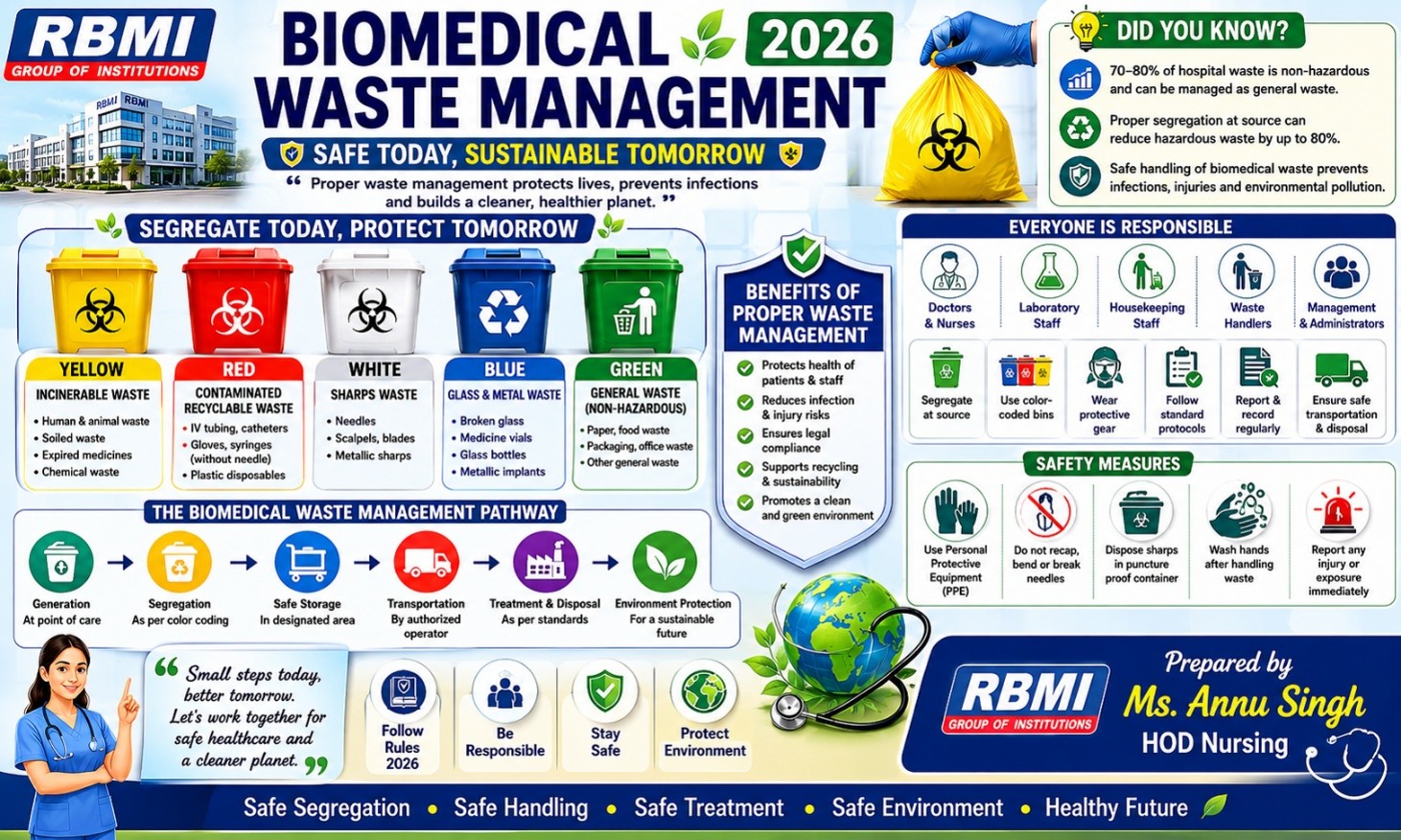
Biomedical Waste Management in 2026: Safer Healthcare and Environment
Healthcare facilities generate a significant amount of waste every day, including used syringes, dressings, laboratory materials, medicines, and diagnostic waste. While healthcare services are essential for protecting public health, the waste generated during these activities can create serious health and environmental risks if not handled properly. As healthcare systems continue to expand, biomedical waste management has become an important part of ensuring safety, hygiene, and environmental protection.
Biomedical waste refers to waste generated during the diagnosis, treatment, immunization, or research activities involving humans and animals. This waste may contain infectious materials, hazardous chemicals, and sharp objects that can cause injury or spread diseases. Improper disposal of biomedical waste can expose healthcare workers, patients, waste handlers, and nearby communities to health hazards. Effective waste management helps reduce these risks and supports a safer healthcare environment.
One of the most important aspects of biomedical waste management is segregation at the source. Waste should be separated immediately after it is generated to prevent contamination and improve disposal efficiency. Proper segregation helps reduce the volume of hazardous waste and ensures that only infectious materials receive specialized treatment. This practice also lowers disposal costs and improves overall waste handling.
The color-coded waste segregation system continues to be the foundation of biomedical waste management in 2026. Yellow containers are used for anatomical waste, soiled waste, microbiological waste, and expired medicines requiring incineration or deep burial. Red containers are designated for contaminated recyclable items such as tubing, catheters, gloves, and plastic disposables. White translucent containers are reserved for sharps like needles and blades, while blue containers are used for glassware and metallic implants. General waste should always be collected separately to avoid contamination.
Technology is playing an increasingly important role in biomedical waste management. Many healthcare facilities now use barcode-based waste tracking systems that allow waste to be monitored from collection to final disposal. These systems improve transparency, reduce errors, and help healthcare organizations maintain compliance with regulatory requirements. Digital tracking also enhances accountability and ensures proper waste handling procedures are followed.
Training and awareness among healthcare workers are essential for the success of any waste management program. Doctors, nurses, laboratory technicians, housekeeping staff, and waste handlers must be familiar with segregation procedures, safety guidelines, and emergency response measures. Regular training sessions help reinforce best practices and minimize mistakes that could compromise safety.
The use of personal protective equipment (PPE) is equally important in protecting healthcare workers and waste handlers. Gloves, masks, face shields, aprons, and protective footwear help reduce the risk of infections, injuries, and occupational exposure to hazardous materials. Healthcare facilities must ensure that PPE is readily available and used consistently by all staff involved in waste handling activities.
Environmental sustainability has become a major focus in modern biomedical waste management. Healthcare facilities are increasingly adopting practices that reduce waste generation, encourage recycling, and minimize environmental impact. Proper segregation decreases the amount of waste requiring incineration, helping reduce pollution and conserve resources. These efforts contribute to cleaner healthcare systems and healthier communities.
Despite advancements in technology and regulations, challenges such as improper segregation, overfilled containers, inadequate labeling, and unsafe sharps disposal still occur. Regular audits, inspections, and monitoring programs are necessary to identify gaps and maintain high standards of compliance and safety.
Biomedical waste management in 2026 is more than a regulatory requirement. It represents a commitment to patient safety, worker protection, public health, and environmental responsibility. By following proper segregation practices, investing in staff training, adopting modern technologies, and promoting sustainable waste handling, healthcare facilities can create safer environments and contribute to a cleaner and healthier future for society.